





The historical evolution of gambling from ancient rituals to modern casinos
Origins of Gambling in Ancient Civilizations
The roots of gambling trace back thousands of years to ancient civilizations, where games of chance were intertwined with religious and social practices. Archaeological findings suggest that as early as 3000 BC, the Chinese played games involving dice made from bone. Similarly, ancient Egyptians used various forms of betting during festivities, signifying gambling’s integral role in cultural expressions. Whether exploring ancient rituals or modern wagers, many enthusiasts turn to sports betting sites as they seek thrilling experiences that echo these long-standing traditions.

In the Roman Empire, gambling became a popular pastime among both the elite and the common citizens. The Romans introduced betting on gladiatorial games, creating a culture of wagering that encompassed many aspects of society. Dice games were especially favored, and the phrase «alea iacta est» (the die is cast) reflects the acceptance of risk-taking in their culture. This acceptance set the stage for gambling to evolve beyond mere recreation, laying a foundation for more structured betting systems.
As these ancient societies developed, so too did the complexity of their gambling practices. In India, for instance, the game of Chaturanga, an early form of chess, incorporated elements of chance and skill, while in China, the lottery system emerged around 205 BC, used to fund government projects. These examples illustrate how gambling began to take various forms, adapting to the cultural contexts of the civilizations that practiced it, thus sowing the seeds for its growth throughout history.
Medieval Gambling: A Blend of Chance and Strategy
The medieval period saw a significant transformation in gambling, moving from ancient rituals to more structured formats. During this era, games such as cards and dice became prevalent in Europe. The introduction of playing cards, believed to have originated in China and brought to Europe via trade routes, gave rise to a new genre of gambling that combined skill with luck. This period also marked the establishment of various gambling houses, where people congregated to wager on different games, paving the way for modern casinos.
In addition to card games, betting on sports began to gain popularity during medieval times. Horse racing became a favored pastime, with wagers placed on the outcomes of races. This trend highlighted the relationship between social status and gambling, as wealthy patrons often sponsored horses, thus increasing the stakes. As a result, gambling took on a dual character—both an elite pastime and a popular activity among the masses, further cementing its place in societal culture.
The intertwining of gambling with social activities also led to the establishment of regulations. Governments began to recognize the economic potential of gambling, instituting taxes and oversight. Laws emerged to control the spread of gambling, reflecting the societal acknowledgment of both its allure and potential dangers. This regulation laid the groundwork for a more formalized gambling industry, illustrating its evolution from ancient traditions to a recognized sector within society.
Gambling in the Age of Enlightenment
The Age of Enlightenment brought about a renewed interest in rational thought and individualism, influencing all aspects of society, including gambling. This period marked the emergence of modern games and betting practices, as the influence of mathematics and probability began to reshape the gambling landscape. Notable mathematicians like Blaise Pascal and Pierre de Fermat contributed to the understanding of chance, which directly influenced gambling games and strategies.
As gambling venues began to formalize, the first official casino, the Casino di Venezia, opened in Italy in 1638. This establishment transformed gambling into a more respectable and regulated affair, attracting the upper echelons of society. The casino model became a blueprint for future gambling establishments, emphasizing luxury and entertainment as integral components of the gambling experience. This transition marked a significant shift from informal betting to a structured industry.
Moreover, the proliferation of lotteries across Europe served both entertainment and state funding purposes. Governments leveraged the popularity of gambling to finance public projects, creating a symbiotic relationship between state and gambling. This established a model of regulated gambling that not only addressed the social and economic implications but also reflected changing attitudes toward leisure and risk, setting the stage for future developments in the gambling world.
The Rise of the Modern Casino
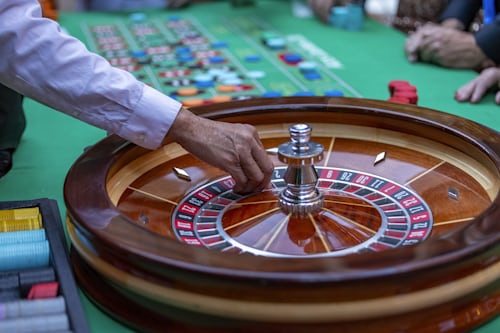
The 20th century heralded a new era for gambling, characterized by the rise of the modern casino. Las Vegas emerged as the epicenter of gambling in the United States, transforming from a desert town to a bustling hub of entertainment and gaming. The legalization of gambling in Nevada in 1931 catalyzed this transformation, leading to the construction of iconic casinos like The Flamingo and The Sands, which blended luxury with gaming experiences.
The introduction of new technologies also revolutionized gambling, with the advent of electronic slot machines in the 1960s changing the gaming experience. These machines offered players the chance to win instantaneously, making them more appealing to a broader audience. This technological shift contributed to an unprecedented boom in the casino industry, solidifying the casino’s role as a central feature of entertainment in American culture.
Additionally, the globalization of gambling in the late 20th century expanded its reach. The rise of online casinos in the 1990s brought gambling into the digital age, making it accessible to millions worldwide. Online platforms offered diverse gaming options, catering to different tastes and preferences while eliminating geographical barriers. This evolution continued to reshape the gambling landscape, reflecting changing consumer behaviors and technological advancements.
Understanding Today’s Gambling Landscape
Today, the gambling industry continues to thrive, evolving rapidly alongside technology and consumer expectations. With the legalization of sports betting in various regions, including the United States, the market has expanded significantly. Online sportsbooks and mobile betting apps have become increasingly popular, providing bettors with convenience and flexibility. This trend reflects a significant shift in how people engage with gambling, making it more accessible than ever before.
Moreover, the integration of social elements into online gambling platforms has created a community experience for players. Social casinos, where users can engage with friends while playing games, have emerged as a new trend, highlighting the blending of social interaction and gaming. This evolution indicates a broader understanding of gambling as a multifaceted experience rather than merely a means of monetary gain.
As the landscape continues to change, responsible gambling initiatives have gained prominence, focusing on promoting safer betting practices. Organizations and operators are increasingly prioritizing player protection, offering tools and resources to mitigate the risks associated with gambling. This shift reflects a growing awareness of the social responsibilities that come with operating in the gambling industry, ensuring that it evolves sustainably and ethically.