





The Allure of Casino Games
Casino games have an undeniable pull that captivates millions of players worldwide. The excitement of chance, the thrill of winning, and the social interactions foster an environment that is both stimulating and addictive. Psychologically, these games tap into our natural inclination for risk-taking and the dopamine release associated with potential rewards. One might even find that engaging in a bitcoin casino can amplify the exhilarating experience that players often crave.
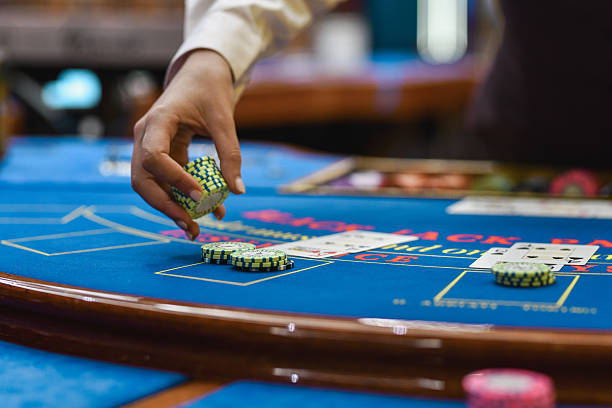
The design of casino games is intentionally engineered to heighten excitement. Bright lights, engaging sounds, and interactive elements all serve to keep players immersed in the gambling experience. This sensory stimulation contributes to what psychologists call «the near-miss effect,» where close calls can create a strong emotional response, prompting players to continue gaming in hopes of that elusive win.
Understanding why people gamble involves exploring various psychological motivations. For many, casino games serve as an escape from reality, offering a temporary respite from life’s challenges. The thrill of betting can provide an adrenaline rush that distracts from stress, allowing players to immerse themselves in a world where almost anything is possible.
Social interaction plays a significant role in gambling behavior as well. Many individuals enjoy the camaraderie that comes with gaming, whether it’s bonding over a poker table or sharing stories of big wins and losses. This communal aspect can enhance the appeal of casinos, making them vibrant social hubs where relationships flourish amidst the games of chance.
One of the key psychological factors influencing gambling behavior is the concept of reinforcement. Casinos employ various reward systems, including bonuses, jackpots, and loyalty programs, to encourage players to continue playing. These rewards trigger a psychological response that reinforces the behavior, making it more likely for players to return.
Moreover, the intermittent reinforcement schedule found in most casino games—where wins are unpredictable—creates a powerful urge to keep playing. This unpredictability, coupled with the occasional win, keeps players engaged, as they are often left chasing that «big win» feeling. Understanding this dynamic can shed light on why many find it hard to walk away, even when the odds are not in their favor.
The effects of gambling on the psyche can be profound. While many people engage in casino games recreationally, for some, gambling can lead to problematic behaviors and addiction. The thrill associated with gambling can override rational decision-making, leading to financial and emotional consequences that ripple through players’ lives.
Additionally, the risk of developing gambling-related issues can create feelings of guilt, anxiety, and depression. For those impacted by these challenges, understanding the psychological traps set by the casino environment is crucial. This awareness can empower individuals to seek help and develop healthier relationships with gambling.

The intersection of gaming and psychological exploration can lead to fascinating discussions, such as those found within the Binemon.io community. This platform allows users to engage with others who are interested in the mechanics of games and their psychological effects. Sharing experiences and insights fosters a deeper understanding of the gaming environment.
As a platform committed to ensuring a safe and engaging experience, Binemon.io offers users a chance to explore the nuances of gaming while also safeguarding against potential risks associated with online gambling. By connecting with like-minded individuals, players can enhance their understanding of both the thrills and the psychological implications of casino games.