





Understanding Casino Games
To develop successful casino strategies, it’s essential to first understand the various types of games available and their unique dynamics. Casino games can be broadly categorized into two types: games of chance and games of skill. Games of chance, like slots and roulette, are primarily driven by luck, while games like poker and blackjack require a deeper understanding of strategy and skill. It is also worth exploring bitcoin sportsbooks to see how they can enhance the gaming experience. Knowing the differences can help players tailor their approach accordingly.
Moreover, each game has its own set of odds and house edges, which significantly influence a player’s chances of winning. For instance, blackjack offers one of the lowest house edges, making it a popular choice among strategy-focused players. Familiarizing yourself with the rules, odds, and strategies specific to each game can enhance your gameplay and overall success.
Bankroll Management Techniques
Effective bankroll management is a cornerstone of successful casino strategies. Players must establish a clear budget before entering a casino to avoid overspending and to ensure a responsible gambling experience. A good strategy involves setting limits on how much one is willing to lose in a single session and sticking to that limit, regardless of wins or losses.
Additionally, dividing your bankroll into smaller amounts for each gaming session can help prolong playtime and increase enjoyment. This method allows players to make thoughtful decisions rather than impulsive ones, which can often lead to poor outcomes. Consistent adherence to smart bankroll management practices can significantly improve a player’s long-term success.
Developing a Game Strategy
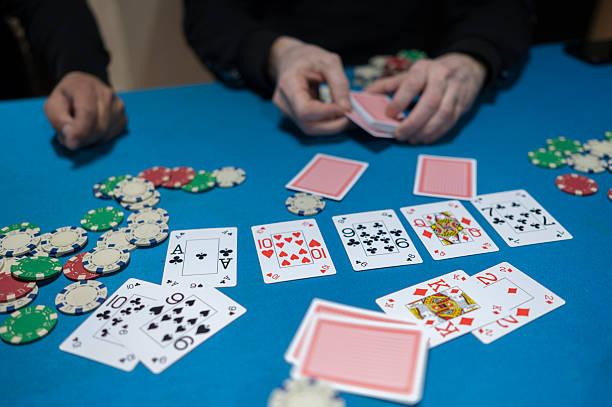
Developing a solid game strategy is vital for capitalizing on opportunities while minimizing losses. Whether playing poker, blackjack, or any other strategic game, having a well-thought-out plan can make a distinct difference. For instance, in poker, understanding when to bluff and when to fold can lead to profitable outcomes. Similarly, in blackjack, utilizing strategies such as card counting can enhance one’s advantage over the house.
Moreover, it’s crucial to adapt your strategy based on your opponents and the dynamics of the game. Observing the behavior of other players or adjusting your approach based on their actions can significantly increase your chances of success. Constantly refining your strategy through practice and experience is essential for long-term profitability.
The Role of Psychology in Gambling
The psychological aspect of gambling plays a crucial role in successful casino strategies. Understanding one’s mindset and emotional responses to wins and losses can influence decision-making at the tables. For instance, managing emotions such as excitement or frustration is vital; staying calm and collected can lead to more rational choices during gameplay.
Additionally, recognizing the cognitive biases that can affect a player’s judgment is essential. Common biases, such as the gambler’s fallacy, can lead players to make illogical decisions based on perceived patterns in random events. Maintaining self-awareness and a disciplined approach to gameplay is crucial for overcoming these psychological hurdles and achieving success at the casino.
Ensuring a Safe Gambling Experience
Lastly, ensuring a safe and secure gambling experience is paramount for any player. With the rise of online casinos and digital gaming, it is essential to choose platforms that prioritize user security. This includes using sites that utilize technology to protect personal and financial information as well as those that employ fair gaming practices.
Utilizing trusted and reputable online casinos not only enhances the gaming experience but also provides peace of mind. Beyond gameplay, being aware of responsible gambling resources can help players maintain control and enjoy their time at the casino without facing the negative consequences that can arise from gambling addiction.